Hi Guys & Girls
Without prejudice
Following on from recent posts regarding the correct diagnosis of our suspected blocked GPF filters, I downloaded this information regarding VW GPF diagnosis.
To confirm a blocked Gasoline Particulate Filter (GPF) on a Volkswagen, you need to use an OBD2 diagnostic tool (such as VCDS, OBDeleven, or Autel) to check specific live data and error codes. Because GPFs operate similarly to Diesel Particulate Filters (DPFs) regarding soot management, the diagnostic route focuses on pressure, temperature, and calculated soot loading.
Diagnostic Steps & Route
Scan for Diagnostic Trouble Codes (DTCs)
Access the Engine Control Module (Module 01).
Look for fault codes indicating restriction, such as:
P2463 (Particulate Filter - Restriction/Soot Accumulation).
P154B (Particle Filter Pressure Sensor - Implausible Signal).
P2002 (Particulate Filter Efficiency Below Threshold).
Check Live Data (Measuring Blocks/Values)
Navigate to Advanced Measuring Values within the Engine Module.
Search for "Particulate Filter" or "Particle Filter" and select the following:
Particle Filter - Soot Mass (Calculated): The ECU's estimate of soot buildup based on driving conditions.
Particle Filter - Soot Mass (Measured): The actual soot level based on sensor readings.
Particle Filter - Differential Pressure: Measures the pressure difference before and after the filter.
Particle Filter - Exhaust Gas Temperature (before/after GPF): Ensures the filter is getting hot enough to regenerate.
Analyze Pressure Readings (Crucial Step)
With the engine at idle, the differential pressure sensor should typically read a low value (ideally under 10-15 HPA/millibars).
High Pressure:
If the pressure is high (e.g., above 30-40 mbar) at idle and increases rapidly when revving, this indicates a blocked GPF.
Erratic Readings:
If the pressure does not change with engine speed or stays very low despite a warning light, the pressure sensor or its hoses may be faulty.
Check Regeneration Status:
Check Time since last regeneration. If this is high and the soot mass is high, the car is failing to clear the filter.
Confirming the Blockage
Failed Forced Regeneration:
If a forced regeneration is attempted using the diagnostic tool but the soot load does not decrease or the pressure remains high, the GPF is likely permanently blocked or physically damaged.
Physical Inspection: Inspect the hoses leading to the pressure sensor for damage, splits, or blockages, which can mimic a clogged filter.
Key Observations
A blocked GPF often results in a "Check Engine" light, and in severe cases, the car may enter "limp mode" (loss of power).
Ensure that the GPF, rather than a faulty differential pressure sensor, is the issue before attempting to replace it.
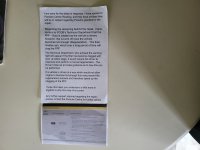
So let's look below at the recent check instructions written into the Porsche internal memo, sent out last March to the Dealers to deal with this GPF issue, which starts with the DTC P242F ash load exceeded.
You will see that ASH is not even mentioned in the VW diagnostic information.
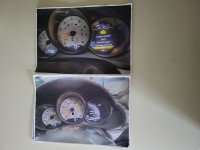
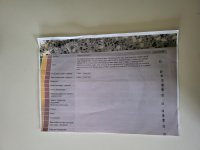
And we never see differential pressure sensor readings exceeding 7.0 hPa on a GPF with a 100% Ash value, that Porsche says needs replacing.
The Porsche memo instructions:
Several causes of the high ash load have been found across various vehicles therefore to prevent repeat issues it is important to check all possible causes of high ash load before proceeding with any repair.
These include completing cylinder leakage checks to ensure oil is not entering the cylinder, checks of the intake and exhaust for signs of excessive build up which could be a result of a leak from the oil separators, turbocharger or valve stem seals.It is also important to check the operation of the turbocharger actuator to ensure this is functioning correctly and check the OPF differential pressure sensor for correct functionality ensuring the pipes to the differential pressure sensor are not blocked or restricted.
You can plainly see that the VW diagnostic check has far more detail in establishing the correct diagnosis of a GPF filter.
Porsche,s diagnosis regarding the differential pressure sensor is limited and doesn't even include a simple back pressure check, so you can see were its all gone wrong.
With no soot present in either Calculated and Measured values, and virtually no differential pressure found from the sensor readings, how can our filters have ever been blocked.
To make matters worse are Dealers are continuing to not check the backpressure, infact refusing to carry out this simple check, because its not written into the memo instructions.
If they continue to follow a technical instruction thats missing this vital check, then they are complicit in this unbelievable example of a major miss- diagnosis of this fault.
We only need one Dealer to carry out this check on our behalf, to show these filters are not blocked, then its game over.
How many cars have been sold, because of this issue, how many 718 customers have the Dealers and Porsche lost because of this issue, never mind the loss of confidence with the Dealers, and the Porsche Brand.
If you think about it, when Porsche start up production of the 718 Cayman and Boxster with petrol engines again they will need new customers to buy them.
If they continue on with this stupidity and allow these loyal customers to leave the Brand because the Dealers can not fix these cars correctly at the moment, they will have to hope they will be forgiven for yet another manufacturing defect thats not been fixed on their cars.
They should be embarrassed, we expect more from this Brand and their Dealers.
Hopefully they will see sense, because we will keep going till they do.
Dave